The Dawn of a New Era

The Dawn of a New Era


by Wil in Japan

Photography by Paul Gilbert


Shares
  • Facebook
  • Twitter
  • Gmail
Shares
  • Facebook
  • Twitter
  • Gmail
Shares
  • Facebook
  • Twitter
  • Gmail
Shares
  • Facebook
  • Twitter
  • Gmail
Shares
  • Facebook
  • Twitter
  • Gmail
Shares
  • Facebook
  • Twitter
  • Gmail
Shares
  • Facebook
  • Twitter
  • Gmail
Shares
  • Facebook
  • Twitter
  • Gmail
Shares
  • Facebook
  • Twitter
  • Gmail
Shares
  • Facebook
  • Twitter
  • Gmail
Shares
  • Facebook
  • Twitter
  • Gmail
Shares
  • Facebook
  • Twitter
  • Gmail
Shares
  • Facebook
  • Twitter
  • Gmail
Shares
  • Facebook
  • Twitter
  • Gmail
Shares
  • Facebook
  • Twitter
  • Gmail
Shares
  • Facebook
  • Twitter
  • Gmail
Since its formation in 1961, the Nippon Suiseki Association (NSA) has hosted a number of exhibitions.  Until the recent popularity of the high-profile Japan Suiseki Exhibition (JSE), which just celebrated its 10th installment alongside the Kokufu bonsai exhibition at the Tokyo Metropolitan Art Museum in February 2023, the best-known exhibition series that the NSA has hosted was the so-called Meihinten, or more formally in English, the “Exhibition of Japanese Suiseki Masterpieces“.

Shares
  • Facebook
  • Twitter
  • Gmail
Shares
  • Facebook
  • Twitter
  • Gmail
Shares
  • Facebook
  • Twitter
  • Gmail
Shares
  • Facebook
  • Twitter
  • Gmail
Shares
  • Facebook
  • Twitter
  • Gmail
Shares
  • Facebook
  • Twitter
  • Gmail
Shares
  • Facebook
  • Twitter
  • Gmail
Shares
  • Facebook
  • Twitter
  • Gmail
Shares
  • Facebook
  • Twitter
  • Gmail
Shares
  • Facebook
  • Twitter
  • Gmail
Shares
  • Facebook
  • Twitter
  • Gmail
Shares
  • Facebook
  • Twitter
  • Gmail
Shares
  • Facebook
  • Twitter
  • Gmail
Shares
  • Facebook
  • Twitter
  • Gmail
Shares
  • Facebook
  • Twitter
  • Gmail
Shares
  • Facebook
  • Twitter
  • Gmail
Fin dalla sua costituzione nel 1961, la Nippon Suiseki Association (NSA) ha ospitato numerose mostre. Fino alla recente popolarità della Japan Suiseki Exhibition (JSE), che ha appena celebrato la sua decima edizione a fianco della mostra bonsai Kokufu al Tokyo Metropolitan Art Museum nel febbraio 2023, la serie di mostre più nota che la NSA ha ospitato è stata la cosiddetta Meihinten, o più formalmente “Mostra dei Capolavori Suiseki Giapponesi“.

The first edition


Shares
  • Facebook
  • Twitter
  • Gmail
Shares
  • Facebook
  • Twitter
  • Gmail
Shares
  • Facebook
  • Twitter
  • Gmail
Shares
  • Facebook
  • Twitter
  • Gmail
Shares
  • Facebook
  • Twitter
  • Gmail
Shares
  • Facebook
  • Twitter
  • Gmail
Shares
  • Facebook
  • Twitter
  • Gmail
Shares
  • Facebook
  • Twitter
  • Gmail
Shares
  • Facebook
  • Twitter
  • Gmail
Shares
  • Facebook
  • Twitter
  • Gmail
Shares
  • Facebook
  • Twitter
  • Gmail
Shares
  • Facebook
  • Twitter
  • Gmail
Shares
  • Facebook
  • Twitter
  • Gmail
Shares
  • Facebook
  • Twitter
  • Gmail
Shares
  • Facebook
  • Twitter
  • Gmail
Shares
  • Facebook
  • Twitter
  • Gmail
The first exhibition of this series took place in July of 1961, shortly after the Association’s formation, and was held on the 7th floor of the Mitsukoshi Department Store in Tokyo’s Nihonbashi district.  The cover of the catalogue from this inaugural exhibition featured the famous stone “Kurokamiyama”, which was also featured as the special entry in the first JSE in February 2014.

Shares
  • Facebook
  • Twitter
  • Gmail
Shares
  • Facebook
  • Twitter
  • Gmail
Shares
  • Facebook
  • Twitter
  • Gmail
Shares
  • Facebook
  • Twitter
  • Gmail
Shares
  • Facebook
  • Twitter
  • Gmail
Shares
  • Facebook
  • Twitter
  • Gmail
Shares
  • Facebook
  • Twitter
  • Gmail
Shares
  • Facebook
  • Twitter
  • Gmail
Shares
  • Facebook
  • Twitter
  • Gmail
Shares
  • Facebook
  • Twitter
  • Gmail
Shares
  • Facebook
  • Twitter
  • Gmail
Shares
  • Facebook
  • Twitter
  • Gmail
Shares
  • Facebook
  • Twitter
  • Gmail
Shares
  • Facebook
  • Twitter
  • Gmail
Shares
  • Facebook
  • Twitter
  • Gmail
Shares
  • Facebook
  • Twitter
  • Gmail
La prima mostra di questa serie ebbe luogo nel luglio del 1961, poco dopo la costituzione dell’Associazione, e si tenne al 7° piano dei grandi magazzini Mitsukoshi nel quartiere Nihonbashi di Tokyo. La copertina del catalogo di questa mostra inaugurale mostrava la famosa pietra “Kurokamiyama“, “La montagna dai capelli neri”, che è stata anche presentata come special entry nella prima edizione della JSE del febbraio 2014.


Shares
  • Facebook
  • Twitter
  • Gmail
Shares
  • Facebook
  • Twitter
  • Gmail
Shares
  • Facebook
  • Twitter
  • Gmail
Shares
  • Facebook
  • Twitter
  • Gmail
Shares
  • Facebook
  • Twitter
  • Gmail
Shares
  • Facebook
  • Twitter
  • Gmail
Shares
  • Facebook
  • Twitter
  • Gmail
Shares
  • Facebook
  • Twitter
  • Gmail
Shares
  • Facebook
  • Twitter
  • Gmail
Shares
  • Facebook
  • Twitter
  • Gmail
Shares
  • Facebook
  • Twitter
  • Gmail
Shares
  • Facebook
  • Twitter
  • Gmail
Shares
  • Facebook
  • Twitter
  • Gmail
Shares
  • Facebook
  • Twitter
  • Gmail
Shares
  • Facebook
  • Twitter
  • Gmail
Shares
  • Facebook
  • Twitter
  • Gmail
Until the Covid-19 pandemic forced the Meihinten to be canceled in June 2020, it was held uninterrupted at various places in Tokyo every summer, but then the world was put on hold.  Though the NSA planned for the 60th installation of the series to be a special blockbuster to coincide with the 2020 Tokyo Summer Olympics, the plan had to be abandoned, and an extraordinary opportunity was lost.  As you can imagine, suiseki fans in Japan were all very much looking forward to it, and the catalogue would have been one for the ages, but alas…

As a national institution, the Meiji Shrine, which has long hosted the exhibition, could not be seen as a place where a Covid cluster might break out. So even after the worst of the pandemic was over, they refused to host the show… until this summer. After a three-year hiatus, the 60th Meihinten was finally held in June 2023, and here are a few highlights from the show.

Shares
  • Facebook
  • Twitter
  • Gmail
Shares
  • Facebook
  • Twitter
  • Gmail
Shares
  • Facebook
  • Twitter
  • Gmail
Shares
  • Facebook
  • Twitter
  • Gmail
Shares
  • Facebook
  • Twitter
  • Gmail
Shares
  • Facebook
  • Twitter
  • Gmail
Shares
  • Facebook
  • Twitter
  • Gmail
Shares
  • Facebook
  • Twitter
  • Gmail
Shares
  • Facebook
  • Twitter
  • Gmail
Shares
  • Facebook
  • Twitter
  • Gmail
Shares
  • Facebook
  • Twitter
  • Gmail
Shares
  • Facebook
  • Twitter
  • Gmail
Shares
  • Facebook
  • Twitter
  • Gmail
Shares
  • Facebook
  • Twitter
  • Gmail
Shares
  • Facebook
  • Twitter
  • Gmail
Shares
  • Facebook
  • Twitter
  • Gmail
Fino a quando la pandemia di Covid-19 non ha costretto a cancellare la Meihinten nel giugno 2020, essa si è tenuta ininterrottamente in vari luoghi di Tokyo ogni estate, ma poi il mondo è stato messo in pausa. Sebbene l’NSA avesse previsto che la sessantesima edizione della serie fosse un evento speciale in concomitanza con le Olimpiadi estive di Tokyo del 2020, il piano è stato abbandonato e si è persa una straordinaria opportunità. Come si può immaginare, gli appassionati di suiseki in Giappone non vedevano l’ora che arrivasse, e il catalogo sarebbe stato uno di quelli da non perdere, ma ahimè….

In quanto istituzione nazionale, il Santuario Meiji, che ha ospitato a lungo la mostra, non poteva essere indicato come un luogo in cui potesse scoppiare un cluster di Covid. Così, anche dopo che il peggio della pandemia era passato, si è rifiutato di ospitare la mostra, fino a quest’estate. Dopo una pausa di tre anni, il 60° Meihinten si è finalmente tenuto nel giugno del 2023, ed ecco alcuni punti salienti della mostra.

Hagoromo


Shares
  • Facebook
  • Twitter
  • Gmail
Shares
  • Facebook
  • Twitter
  • Gmail
Shares
  • Facebook
  • Twitter
  • Gmail
Shares
  • Facebook
  • Twitter
  • Gmail
Shares
  • Facebook
  • Twitter
  • Gmail
Shares
  • Facebook
  • Twitter
  • Gmail
Shares
  • Facebook
  • Twitter
  • Gmail
Shares
  • Facebook
  • Twitter
  • Gmail
Shares
  • Facebook
  • Twitter
  • Gmail
Shares
  • Facebook
  • Twitter
  • Gmail
Shares
  • Facebook
  • Twitter
  • Gmail
Shares
  • Facebook
  • Twitter
  • Gmail
Shares
  • Facebook
  • Twitter
  • Gmail
Shares
  • Facebook
  • Twitter
  • Gmail
Shares
  • Facebook
  • Twitter
  • Gmail
Shares
  • Facebook
  • Twitter
  • Gmail
Headliner of the show and arguably the most famous chrysanthemum stone from the Neo Valley, “Hagoromo”, named after a play from the Noh theater in which a character extends the sleeve of their robe as implied by the shape of the stone.  Conventionally displayed on a hinoki cypress stand in a tokonoma in front of a painting of a pine tree, here is was shown on its own, on a strong, red lacquer stand.

Shares
  • Facebook
  • Twitter
  • Gmail
Shares
  • Facebook
  • Twitter
  • Gmail
Shares
  • Facebook
  • Twitter
  • Gmail
Shares
  • Facebook
  • Twitter
  • Gmail
Shares
  • Facebook
  • Twitter
  • Gmail
Shares
  • Facebook
  • Twitter
  • Gmail
Shares
  • Facebook
  • Twitter
  • Gmail
Shares
  • Facebook
  • Twitter
  • Gmail
Shares
  • Facebook
  • Twitter
  • Gmail
Shares
  • Facebook
  • Twitter
  • Gmail
Shares
  • Facebook
  • Twitter
  • Gmail
Shares
  • Facebook
  • Twitter
  • Gmail
Shares
  • Facebook
  • Twitter
  • Gmail
Shares
  • Facebook
  • Twitter
  • Gmail
Shares
  • Facebook
  • Twitter
  • Gmail
Shares
  • Facebook
  • Twitter
  • Gmail
Il pezzo forte della mostra e, probabilmente, la pietra di crisantemo più famosa della Neo Valley, “Hagoromo”, prende il nome da un’opera teatrale del teatro Noh in cui un personaggio allunga la manica della propria veste, come suggerisce la forma della pietra.
Convenzionalmente esposta su un supporto di cipresso hinoki in un tokonoma davanti al dipinto di un pino, qui è stata esposta da sola, su un robusto supporto di lacca rossa.


Seigaku ishi


Shares
  • Facebook
  • Twitter
  • Gmail
Shares
  • Facebook
  • Twitter
  • Gmail
Shares
  • Facebook
  • Twitter
  • Gmail
Shares
  • Facebook
  • Twitter
  • Gmail
Shares
  • Facebook
  • Twitter
  • Gmail
Shares
  • Facebook
  • Twitter
  • Gmail
Shares
  • Facebook
  • Twitter
  • Gmail
Shares
  • Facebook
  • Twitter
  • Gmail
Shares
  • Facebook
  • Twitter
  • Gmail
Shares
  • Facebook
  • Twitter
  • Gmail
Shares
  • Facebook
  • Twitter
  • Gmail
Shares
  • Facebook
  • Twitter
  • Gmail
Shares
  • Facebook
  • Twitter
  • Gmail
Shares
  • Facebook
  • Twitter
  • Gmail
Shares
  • Facebook
  • Twitter
  • Gmail
Shares
  • Facebook
  • Twitter
  • Gmail
This impressive Seigaku ishi from Shizuoka Prefecture belongs to the Meiji Shrine, and measures some 47 cm (18½ inches) wide. 

A textbook distant mountain stone with some interesting carving on the right side of the daiza to support its natural shape.

Shares
  • Facebook
  • Twitter
  • Gmail
Shares
  • Facebook
  • Twitter
  • Gmail
Shares
  • Facebook
  • Twitter
  • Gmail
Shares
  • Facebook
  • Twitter
  • Gmail
Shares
  • Facebook
  • Twitter
  • Gmail
Shares
  • Facebook
  • Twitter
  • Gmail
Shares
  • Facebook
  • Twitter
  • Gmail
Shares
  • Facebook
  • Twitter
  • Gmail
Shares
  • Facebook
  • Twitter
  • Gmail
Shares
  • Facebook
  • Twitter
  • Gmail
Shares
  • Facebook
  • Twitter
  • Gmail
Shares
  • Facebook
  • Twitter
  • Gmail
Shares
  • Facebook
  • Twitter
  • Gmail
Shares
  • Facebook
  • Twitter
  • Gmail
Shares
  • Facebook
  • Twitter
  • Gmail
Shares
  • Facebook
  • Twitter
  • Gmail
Questa imponente pietra Seigaku della prefettura di Shizuoka appartiene al Santuario Meiji e misura circa 47 cm (18½ pollici) di larghezza. Una pietra montagna distante da manuale, con alcune interessanti soluzioni sul lato destro del daiza per sostenere la sua forma naturale.


Kamogawa ishi


Shares
  • Facebook
  • Twitter
  • Gmail
Shares
  • Facebook
  • Twitter
  • Gmail
Shares
  • Facebook
  • Twitter
  • Gmail
Shares
  • Facebook
  • Twitter
  • Gmail
Shares
  • Facebook
  • Twitter
  • Gmail
Shares
  • Facebook
  • Twitter
  • Gmail
Shares
  • Facebook
  • Twitter
  • Gmail
Shares
  • Facebook
  • Twitter
  • Gmail
Shares
  • Facebook
  • Twitter
  • Gmail
Shares
  • Facebook
  • Twitter
  • Gmail
Shares
  • Facebook
  • Twitter
  • Gmail
Shares
  • Facebook
  • Twitter
  • Gmail
Shares
  • Facebook
  • Twitter
  • Gmail
Shares
  • Facebook
  • Twitter
  • Gmail
Shares
  • Facebook
  • Twitter
  • Gmail
Shares
  • Facebook
  • Twitter
  • Gmail
Published in a variety of books and owned by the descendants of Rai San’yo, this Kamogawa ishi surprises first-time viewers every time, because it measures only 8 cm (3⅛ inches) wide!

Shares
  • Facebook
  • Twitter
  • Gmail
Shares
  • Facebook
  • Twitter
  • Gmail
Shares
  • Facebook
  • Twitter
  • Gmail
Shares
  • Facebook
  • Twitter
  • Gmail
Shares
  • Facebook
  • Twitter
  • Gmail
Shares
  • Facebook
  • Twitter
  • Gmail
Shares
  • Facebook
  • Twitter
  • Gmail
Shares
  • Facebook
  • Twitter
  • Gmail
Shares
  • Facebook
  • Twitter
  • Gmail
Shares
  • Facebook
  • Twitter
  • Gmail
Shares
  • Facebook
  • Twitter
  • Gmail
Shares
  • Facebook
  • Twitter
  • Gmail
Shares
  • Facebook
  • Twitter
  • Gmail
Shares
  • Facebook
  • Twitter
  • Gmail
Shares
  • Facebook
  • Twitter
  • Gmail
Shares
  • Facebook
  • Twitter
  • Gmail
Pubblicata in diversi libri e di proprietà dei discendenti di Rai San’yo, questa pietra del fiume Kamo sorprende ogni volta chi la guarda per la prima volta, perché misura solo 8 cm (3⅛ pollici) di larghezza!


Shizuhata ishi


Shares
  • Facebook
  • Twitter
  • Gmail
Shares
  • Facebook
  • Twitter
  • Gmail
Shares
  • Facebook
  • Twitter
  • Gmail
Shares
  • Facebook
  • Twitter
  • Gmail
Shares
  • Facebook
  • Twitter
  • Gmail
Shares
  • Facebook
  • Twitter
  • Gmail
Shares
  • Facebook
  • Twitter
  • Gmail
Shares
  • Facebook
  • Twitter
  • Gmail
Shares
  • Facebook
  • Twitter
  • Gmail
Shares
  • Facebook
  • Twitter
  • Gmail
Shares
  • Facebook
  • Twitter
  • Gmail
Shares
  • Facebook
  • Twitter
  • Gmail
Shares
  • Facebook
  • Twitter
  • Gmail
Shares
  • Facebook
  • Twitter
  • Gmail
Shares
  • Facebook
  • Twitter
  • Gmail
Shares
  • Facebook
  • Twitter
  • Gmail
Personal favorite of the show was this well-known Shizuhata ishi, found in the upper reaches of the Kamogawa. 

It was perfectly paired with a rectangular doban that features only the simplest pattern, which does not distract the eye from the stone.

Shares
  • Facebook
  • Twitter
  • Gmail
Shares
  • Facebook
  • Twitter
  • Gmail
Shares
  • Facebook
  • Twitter
  • Gmail
Shares
  • Facebook
  • Twitter
  • Gmail
Shares
  • Facebook
  • Twitter
  • Gmail
Shares
  • Facebook
  • Twitter
  • Gmail
Shares
  • Facebook
  • Twitter
  • Gmail
Shares
  • Facebook
  • Twitter
  • Gmail
Shares
  • Facebook
  • Twitter
  • Gmail
Shares
  • Facebook
  • Twitter
  • Gmail
Shares
  • Facebook
  • Twitter
  • Gmail
Shares
  • Facebook
  • Twitter
  • Gmail
Shares
  • Facebook
  • Twitter
  • Gmail
Shares
  • Facebook
  • Twitter
  • Gmail
Shares
  • Facebook
  • Twitter
  • Gmail
Shares
  • Facebook
  • Twitter
  • Gmail
La preferita della mostra era questo nota pietra Shizuhata, trovata nella parte superiore del fiume Kamo.

Era perfettamente abbinata a un doban rettangolare che presenta solo un motivo tra i più semplici, che non distrae l’occhio dalla pietra.


Tanba shiun seki


Shares
  • Facebook
  • Twitter
  • Gmail
Shares
  • Facebook
  • Twitter
  • Gmail
Shares
  • Facebook
  • Twitter
  • Gmail
Shares
  • Facebook
  • Twitter
  • Gmail
Shares
  • Facebook
  • Twitter
  • Gmail
Shares
  • Facebook
  • Twitter
  • Gmail
Shares
  • Facebook
  • Twitter
  • Gmail
Shares
  • Facebook
  • Twitter
  • Gmail
Shares
  • Facebook
  • Twitter
  • Gmail
Shares
  • Facebook
  • Twitter
  • Gmail
Shares
  • Facebook
  • Twitter
  • Gmail
Shares
  • Facebook
  • Twitter
  • Gmail
Shares
  • Facebook
  • Twitter
  • Gmail
Shares
  • Facebook
  • Twitter
  • Gmail
Shares
  • Facebook
  • Twitter
  • Gmail
Shares
  • Facebook
  • Twitter
  • Gmail
This tall, upright Tanba shiun seki was displayed on a beautifully crafted daiza that complements its intricate texture.  While the dominant color of these stones is generally purple, they often feature red or pale green parts too.  The fact that the entire peak of this stone is green is a fascinating feature.

Shares
  • Facebook
  • Twitter
  • Gmail
Shares
  • Facebook
  • Twitter
  • Gmail
Shares
  • Facebook
  • Twitter
  • Gmail
Shares
  • Facebook
  • Twitter
  • Gmail
Shares
  • Facebook
  • Twitter
  • Gmail
Shares
  • Facebook
  • Twitter
  • Gmail
Shares
  • Facebook
  • Twitter
  • Gmail
Shares
  • Facebook
  • Twitter
  • Gmail
Shares
  • Facebook
  • Twitter
  • Gmail
Shares
  • Facebook
  • Twitter
  • Gmail
Shares
  • Facebook
  • Twitter
  • Gmail
Shares
  • Facebook
  • Twitter
  • Gmail
Shares
  • Facebook
  • Twitter
  • Gmail
Shares
  • Facebook
  • Twitter
  • Gmail
Shares
  • Facebook
  • Twitter
  • Gmail
Shares
  • Facebook
  • Twitter
  • Gmail
Questa alta, verticale pietra Tanba shiun, era esposta su un daiza di ottima fattura che ne accompagnava l’intricata struttura. Sebbene il colore dominante di queste pietre sia generalmente il viola, spesso presentano anche parti rosse o verde chiaro. Il fatto che l’intera cima di questa pietra sia verde è una caratteristica affascinante.


Batei seki


Shares
  • Facebook
  • Twitter
  • Gmail
Shares
  • Facebook
  • Twitter
  • Gmail
Shares
  • Facebook
  • Twitter
  • Gmail
Shares
  • Facebook
  • Twitter
  • Gmail
Shares
  • Facebook
  • Twitter
  • Gmail
Shares
  • Facebook
  • Twitter
  • Gmail
Shares
  • Facebook
  • Twitter
  • Gmail
Shares
  • Facebook
  • Twitter
  • Gmail
Shares
  • Facebook
  • Twitter
  • Gmail
Shares
  • Facebook
  • Twitter
  • Gmail
Shares
  • Facebook
  • Twitter
  • Gmail
Shares
  • Facebook
  • Twitter
  • Gmail
Shares
  • Facebook
  • Twitter
  • Gmail
Shares
  • Facebook
  • Twitter
  • Gmail
Shares
  • Facebook
  • Twitter
  • Gmail
Shares
  • Facebook
  • Twitter
  • Gmail
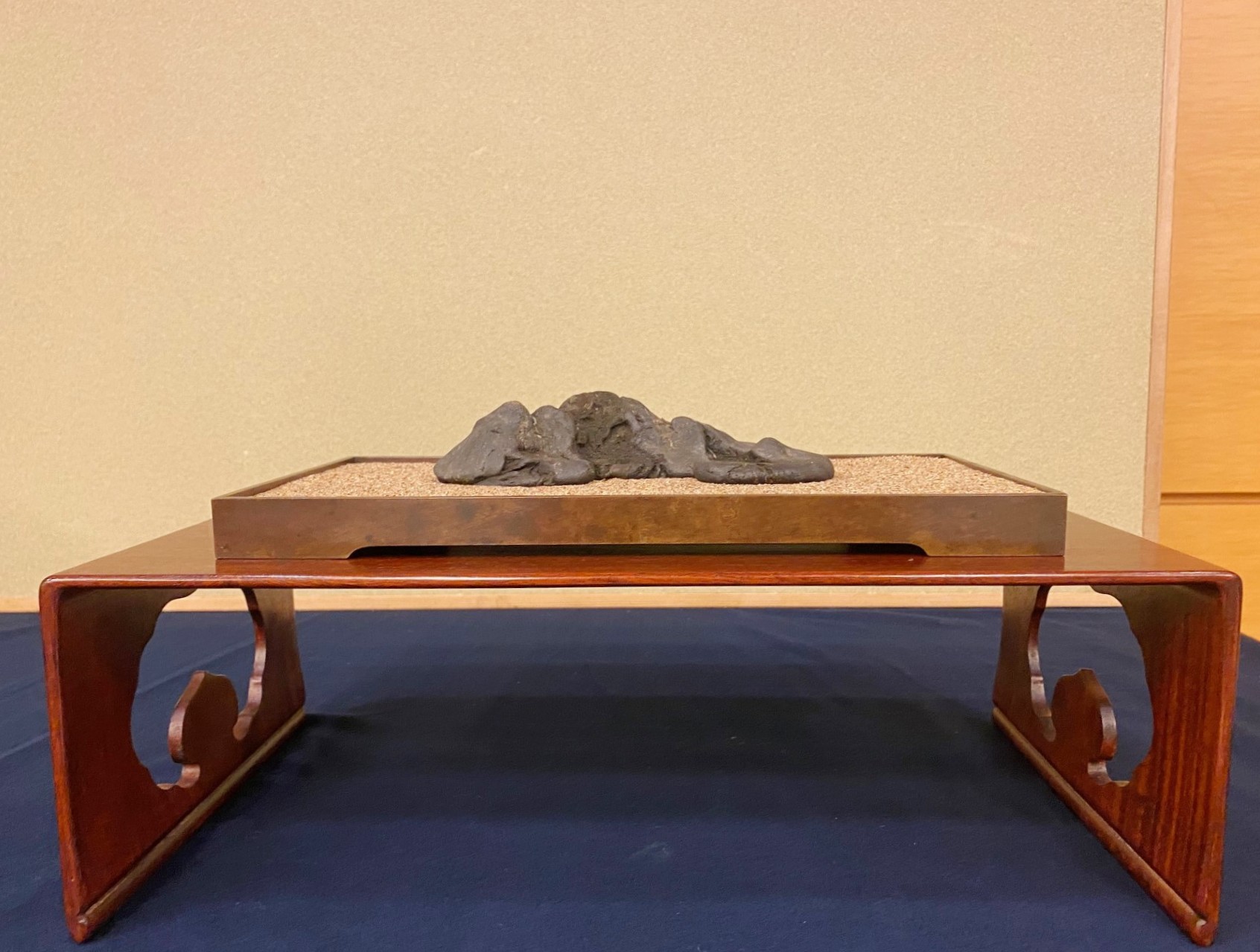
Batei seki rarely take on landscape forms like this.  While one might ideally like to display it in a suiban, here the construction of the daiza orients it perfectly.

Shares
  • Facebook
  • Twitter
  • Gmail
Shares
  • Facebook
  • Twitter
  • Gmail
Shares
  • Facebook
  • Twitter
  • Gmail
Shares
  • Facebook
  • Twitter
  • Gmail
Shares
  • Facebook
  • Twitter
  • Gmail
Shares
  • Facebook
  • Twitter
  • Gmail
Shares
  • Facebook
  • Twitter
  • Gmail
Shares
  • Facebook
  • Twitter
  • Gmail
Shares
  • Facebook
  • Twitter
  • Gmail
Shares
  • Facebook
  • Twitter
  • Gmail
Shares
  • Facebook
  • Twitter
  • Gmail
Shares
  • Facebook
  • Twitter
  • Gmail
Shares
  • Facebook
  • Twitter
  • Gmail
Shares
  • Facebook
  • Twitter
  • Gmail
Shares
  • Facebook
  • Twitter
  • Gmail
Shares
  • Facebook
  • Twitter
  • Gmail
 Le pietre Batei (pietre a ferro di cavallo) raramente assumono forme paesaggistiche come questa. Sebbene l’ideale sarebbe esporla in un suiban, qui la costruzione del daiza la orienta perfettamente.


Kibune ishi


Shares
  • Facebook
  • Twitter
  • Gmail
Shares
  • Facebook
  • Twitter
  • Gmail
Shares
  • Facebook
  • Twitter
  • Gmail
Shares
  • Facebook
  • Twitter
  • Gmail
Shares
  • Facebook
  • Twitter
  • Gmail
Shares
  • Facebook
  • Twitter
  • Gmail
Shares
  • Facebook
  • Twitter
  • Gmail
Shares
  • Facebook
  • Twitter
  • Gmail
Shares
  • Facebook
  • Twitter
  • Gmail
Shares
  • Facebook
  • Twitter
  • Gmail
Shares
  • Facebook
  • Twitter
  • Gmail
Shares
  • Facebook
  • Twitter
  • Gmail
Shares
  • Facebook
  • Twitter
  • Gmail
Shares
  • Facebook
  • Twitter
  • Gmail
Shares
  • Facebook
  • Twitter
  • Gmail
Shares
  • Facebook
  • Twitter
  • Gmail
A long, sprawling mountainscape with valleys and caverns spread across its entire surface, with traces of snow or spring runoff visible on its colder, north-facing slope.  While many advocate for simple, minimalistic daiza, the raised feet here reflect a more classical design.

Shares
  • Facebook
  • Twitter
  • Gmail
Shares
  • Facebook
  • Twitter
  • Gmail
Shares
  • Facebook
  • Twitter
  • Gmail
Shares
  • Facebook
  • Twitter
  • Gmail
Shares
  • Facebook
  • Twitter
  • Gmail
Shares
  • Facebook
  • Twitter
  • Gmail
Shares
  • Facebook
  • Twitter
  • Gmail
Shares
  • Facebook
  • Twitter
  • Gmail
Shares
  • Facebook
  • Twitter
  • Gmail
Shares
  • Facebook
  • Twitter
  • Gmail
Shares
  • Facebook
  • Twitter
  • Gmail
Shares
  • Facebook
  • Twitter
  • Gmail
Shares
  • Facebook
  • Twitter
  • Gmail
Shares
  • Facebook
  • Twitter
  • Gmail
Shares
  • Facebook
  • Twitter
  • Gmail
Shares
  • Facebook
  • Twitter
  • Gmail
Un paesaggio montano lungo e tentacolare, con valli e caverne che si estendono su tutta la sua superficie, mostra tracce di neve o di ruscellamento primaverile visibili sul suo versante più freddo, esposto a nord. Mentre molti sostengono la necessità di daiza semplici e minimalisti, i piedi rialzati riflettono un design più classico.


Kamogawa ishi


Shares
  • Facebook
  • Twitter
  • Gmail
Shares
  • Facebook
  • Twitter
  • Gmail
Shares
  • Facebook
  • Twitter
  • Gmail
Shares
  • Facebook
  • Twitter
  • Gmail
Shares
  • Facebook
  • Twitter
  • Gmail
Shares
  • Facebook
  • Twitter
  • Gmail
Shares
  • Facebook
  • Twitter
  • Gmail
Shares
  • Facebook
  • Twitter
  • Gmail
Shares
  • Facebook
  • Twitter
  • Gmail
Shares
  • Facebook
  • Twitter
  • Gmail
Shares
  • Facebook
  • Twitter
  • Gmail
Shares
  • Facebook
  • Twitter
  • Gmail
Shares
  • Facebook
  • Twitter
  • Gmail
Shares
  • Facebook
  • Twitter
  • Gmail
Shares
  • Facebook
  • Twitter
  • Gmail
Shares
  • Facebook
  • Twitter
  • Gmail
Not everyone gets it perfectly. This stone and doban make a wonderful combination, but the line between the stone and sand that indicates the stone was simply placed on the surface is not ideal. There is much to learn through careful observation of shows like this, sometimes including what NOT to do!

Shares
  • Facebook
  • Twitter
  • Gmail
Shares
  • Facebook
  • Twitter
  • Gmail
Shares
  • Facebook
  • Twitter
  • Gmail
Shares
  • Facebook
  • Twitter
  • Gmail
Shares
  • Facebook
  • Twitter
  • Gmail
Shares
  • Facebook
  • Twitter
  • Gmail
Shares
  • Facebook
  • Twitter
  • Gmail
Shares
  • Facebook
  • Twitter
  • Gmail
Shares
  • Facebook
  • Twitter
  • Gmail
Shares
  • Facebook
  • Twitter
  • Gmail
Shares
  • Facebook
  • Twitter
  • Gmail
Shares
  • Facebook
  • Twitter
  • Gmail
Shares
  • Facebook
  • Twitter
  • Gmail
Shares
  • Facebook
  • Twitter
  • Gmail
Shares
  • Facebook
  • Twitter
  • Gmail
Shares
  • Facebook
  • Twitter
  • Gmail
Non tutti ci riescono perfettamente. Questa pietra e il doban formano una combinazione meravigliosa, ma la linea tra la pietra e la sabbia, che indica che la pietra è stata semplicemente appoggiata sulla superficie, non è ideale. C’è molto da imparare attraverso un’attenta osservazione di esposizioni come questa, a volte anche su cosa NON fare!


Tamagawa ishi


Shares
  • Facebook
  • Twitter
  • Gmail
Shares
  • Facebook
  • Twitter
  • Gmail
Shares
  • Facebook
  • Twitter
  • Gmail
Shares
  • Facebook
  • Twitter
  • Gmail
Shares
  • Facebook
  • Twitter
  • Gmail
Shares
  • Facebook
  • Twitter
  • Gmail
Shares
  • Facebook
  • Twitter
  • Gmail
Shares
  • Facebook
  • Twitter
  • Gmail
Shares
  • Facebook
  • Twitter
  • Gmail
Shares
  • Facebook
  • Twitter
  • Gmail
Shares
  • Facebook
  • Twitter
  • Gmail
Shares
  • Facebook
  • Twitter
  • Gmail
Shares
  • Facebook
  • Twitter
  • Gmail
Shares
  • Facebook
  • Twitter
  • Gmail
Shares
  • Facebook
  • Twitter
  • Gmail
Shares
  • Facebook
  • Twitter
  • Gmail
While the display of this Tamagawa ishi may seem unconventional to most, there is indeed great precedent for showing stones this way in Japan, and this particular stone has been displayed as-is on a jiita before. It is an abstract, minimalistic, and contemplative presentation, literally brought to life by a small clump of moss on the left.

Shares
  • Facebook
  • Twitter
  • Gmail
Shares
  • Facebook
  • Twitter
  • Gmail
Shares
  • Facebook
  • Twitter
  • Gmail
Shares
  • Facebook
  • Twitter
  • Gmail
Shares
  • Facebook
  • Twitter
  • Gmail
Shares
  • Facebook
  • Twitter
  • Gmail
Shares
  • Facebook
  • Twitter
  • Gmail
Shares
  • Facebook
  • Twitter
  • Gmail
Shares
  • Facebook
  • Twitter
  • Gmail
Shares
  • Facebook
  • Twitter
  • Gmail
Shares
  • Facebook
  • Twitter
  • Gmail
Shares
  • Facebook
  • Twitter
  • Gmail
Shares
  • Facebook
  • Twitter
  • Gmail
Shares
  • Facebook
  • Twitter
  • Gmail
Shares
  • Facebook
  • Twitter
  • Gmail
Shares
  • Facebook
  • Twitter
  • Gmail
Sebbene l’esposizione di questa pietra del fiume Tama possa sembrare non convenzionale ai più, in Giappone ci sono molti precedenti di esposizione di pietre in questo modo, e questa pietra in particolare è già stata esposta così com’è su una jiita. Si tratta di una presentazione astratta, minimalista e contemplativa, letteralmente animata da un piccolo ciuffo di muschio sulla sinistra.


Setagawa ishi


Shares
  • Facebook
  • Twitter
  • Gmail
Shares
  • Facebook
  • Twitter
  • Gmail
Shares
  • Facebook
  • Twitter
  • Gmail
Shares
  • Facebook
  • Twitter
  • Gmail
Shares
  • Facebook
  • Twitter
  • Gmail
Shares
  • Facebook
  • Twitter
  • Gmail
Shares
  • Facebook
  • Twitter
  • Gmail
Shares
  • Facebook
  • Twitter
  • Gmail
Shares
  • Facebook
  • Twitter
  • Gmail
Shares
  • Facebook
  • Twitter
  • Gmail
Shares
  • Facebook
  • Twitter
  • Gmail
Shares
  • Facebook
  • Twitter
  • Gmail
Shares
  • Facebook
  • Twitter
  • Gmail
Shares
  • Facebook
  • Twitter
  • Gmail
Shares
  • Facebook
  • Twitter
  • Gmail
Shares
  • Facebook
  • Twitter
  • Gmail
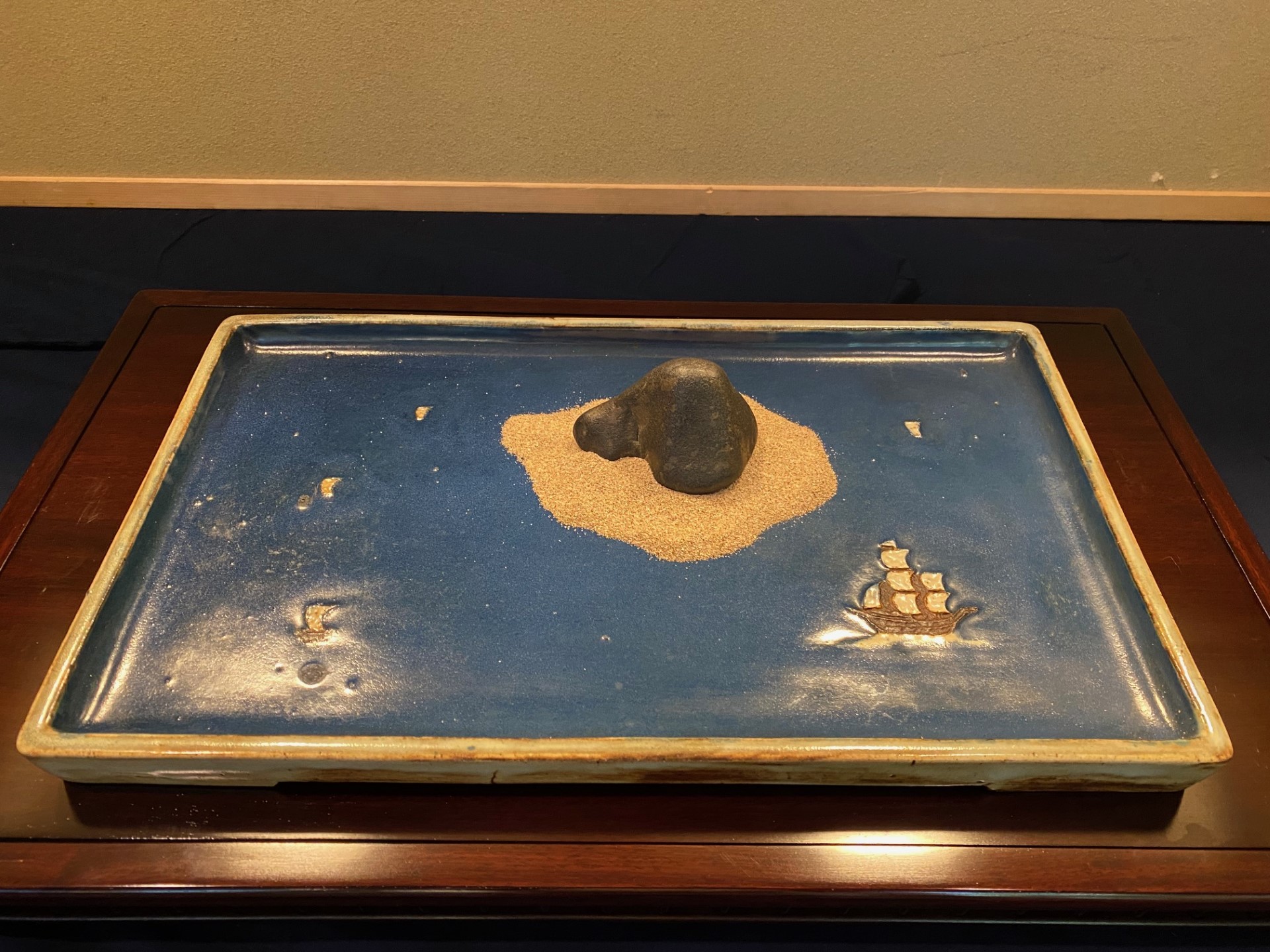
And for those who think Japanese suiseki is a black-and-white world of strict do’s and don’ts, please enjoy the presentation of this small Setagawa ishi.  It is as if miniature boat tenkei have been made permanent features of the suiban’s design, and the vivid blue glaze speaks for itself.  We have said it here before, but suiseki in Japan is not always a profound spiritual experience steeped in centuries of a brooding, esoteric aesthetic. 

It can be fun too!

Shares
  • Facebook
  • Twitter
  • Gmail
Shares
  • Facebook
  • Twitter
  • Gmail
Shares
  • Facebook
  • Twitter
  • Gmail
Shares
  • Facebook
  • Twitter
  • Gmail
Shares
  • Facebook
  • Twitter
  • Gmail
Shares
  • Facebook
  • Twitter
  • Gmail
Shares
  • Facebook
  • Twitter
  • Gmail
Shares
  • Facebook
  • Twitter
  • Gmail
Shares
  • Facebook
  • Twitter
  • Gmail
Shares
  • Facebook
  • Twitter
  • Gmail
Shares
  • Facebook
  • Twitter
  • Gmail
Shares
  • Facebook
  • Twitter
  • Gmail
Shares
  • Facebook
  • Twitter
  • Gmail
Shares
  • Facebook
  • Twitter
  • Gmail
Shares
  • Facebook
  • Twitter
  • Gmail
Shares
  • Facebook
  • Twitter
  • Gmail
E chi pensa che il suiseki giapponese sia un mondo in bianco e nero fatto di rigide regole da seguire e da non seguire, si goda la presentazione di questa piccola pietra del fiume Seta. È come se un tenkei a forma di barca in miniatura sia diventato una caratteristica permanente del design del suiban, e lo smalto blu vivido parla da sé. Lo abbiamo già detto qui, ma il suiseki in Giappone non è sempre un’esperienza spirituale profonda, intrisa di secoli di estetica meditabonda ed esoterica.
Può essere anche divertente!

About the future.


Sul futuro.

Shares
  • Facebook
  • Twitter
  • Gmail
Shares
  • Facebook
  • Twitter
  • Gmail
Shares
  • Facebook
  • Twitter
  • Gmail
Shares
  • Facebook
  • Twitter
  • Gmail
Shares
  • Facebook
  • Twitter
  • Gmail
Shares
  • Facebook
  • Twitter
  • Gmail
Shares
  • Facebook
  • Twitter
  • Gmail
Shares
  • Facebook
  • Twitter
  • Gmail
Shares
  • Facebook
  • Twitter
  • Gmail
Shares
  • Facebook
  • Twitter
  • Gmail
Shares
  • Facebook
  • Twitter
  • Gmail
Shares
  • Facebook
  • Twitter
  • Gmail
Shares
  • Facebook
  • Twitter
  • Gmail
Shares
  • Facebook
  • Twitter
  • Gmail
Shares
  • Facebook
  • Twitter
  • Gmail
Shares
  • Facebook
  • Twitter
  • Gmail
It was decided, however, that this would be the last show of Japan’s longest running suiseki exhibition series.  There were many reasons behind the decision, which could perhaps be summarized by a buzzword of our modern day: sustainability.  The newly established JSE held every February is a wild success, with well over 100 entries every year, and it has begun to outshine the Meihinten. 

Without a certain amount of repetition, maintaining two high-level shows per year, only months apart, would prove to be a huge challenge in the long term.  With that in mind, 60 seemed like a good, round number to close the show, rather than pushing it forward against the odds and take the risk of the level dropping and the series ending in an unplanned, unfortunate manner.

Shares
  • Facebook
  • Twitter
  • Gmail
Shares
  • Facebook
  • Twitter
  • Gmail
Shares
  • Facebook
  • Twitter
  • Gmail
Shares
  • Facebook
  • Twitter
  • Gmail
Shares
  • Facebook
  • Twitter
  • Gmail
Shares
  • Facebook
  • Twitter
  • Gmail
Shares
  • Facebook
  • Twitter
  • Gmail
Shares
  • Facebook
  • Twitter
  • Gmail
Shares
  • Facebook
  • Twitter
  • Gmail
Shares
  • Facebook
  • Twitter
  • Gmail
Shares
  • Facebook
  • Twitter
  • Gmail
Shares
  • Facebook
  • Twitter
  • Gmail
Shares
  • Facebook
  • Twitter
  • Gmail
Shares
  • Facebook
  • Twitter
  • Gmail
Shares
  • Facebook
  • Twitter
  • Gmail
Shares
  • Facebook
  • Twitter
  • Gmail
Dopo la pausa, tuttavia, è stato deciso che questa sarebbe stata l’ultima edizione della serie di esposizioni di suiseki più longeva del Giappone. La decisione è stata motivata da molte ragioni, forse riassumibili in una parola d’ordine ai giorni nostri: sostenibilità. La nuova JSE, che si tiene ogni febbraio, è un successo sfrenato, con oltre 100 partecipazioni ogni anno, e ha iniziato a superare la Meihinten.

Senza una certa dose di ripetizioni, mantenere due mostre di alto livello all’anno, a pochi mesi di distanza l’una dall’altra, si sarebbe rivelata una sfida enorme a lungo termine. Tenendo conto di ciò, 60 è sembrato un buon numero tondo per chiudere la serie, piuttosto che portarla avanti contro le previsioni e correre il rischio che il livello qualitativo si abbassasse e che la serie finisse in un modo imprevisto e sfortunato.

Quit while you’re ahead. 


Smettere finché si è in tempo. 

Shares
  • Facebook
  • Twitter
  • Gmail
Shares
  • Facebook
  • Twitter
  • Gmail
Shares
  • Facebook
  • Twitter
  • Gmail
Shares
  • Facebook
  • Twitter
  • Gmail
Shares
  • Facebook
  • Twitter
  • Gmail
Shares
  • Facebook
  • Twitter
  • Gmail
Shares
  • Facebook
  • Twitter
  • Gmail
Shares
  • Facebook
  • Twitter
  • Gmail
Shares
  • Facebook
  • Twitter
  • Gmail
Shares
  • Facebook
  • Twitter
  • Gmail
Shares
  • Facebook
  • Twitter
  • Gmail
Shares
  • Facebook
  • Twitter
  • Gmail
Shares
  • Facebook
  • Twitter
  • Gmail
Shares
  • Facebook
  • Twitter
  • Gmail
Shares
  • Facebook
  • Twitter
  • Gmail
Shares
  • Facebook
  • Twitter
  • Gmail
This reality was coupled by an economic factor.  The NSA is able to break even with the JSE, which attracts both a great deal of participation and a large number of visitors because of the location, but the Meihinten has not been able to claim this success.  The show is split between two different locations – one an outdoor courtyard where bonsai and larger stones are shown in a semi-separate exhibition labeled “Exhibition of Bonsai Dedicated to the Deities“, which requires no rental fee, and the other a large, indoor meeting room which is less obvious to casual visitors and on the expensive side to rent.  While the catalogue has long been considered a staple of any serious suiseki library, the show itself was costing the NSA more than it was bringing in.  Unsustainable.

Shares
  • Facebook
  • Twitter
  • Gmail
Shares
  • Facebook
  • Twitter
  • Gmail
Shares
  • Facebook
  • Twitter
  • Gmail
Shares
  • Facebook
  • Twitter
  • Gmail
Shares
  • Facebook
  • Twitter
  • Gmail
Shares
  • Facebook
  • Twitter
  • Gmail
Shares
  • Facebook
  • Twitter
  • Gmail
Shares
  • Facebook
  • Twitter
  • Gmail
Shares
  • Facebook
  • Twitter
  • Gmail
Shares
  • Facebook
  • Twitter
  • Gmail
Shares
  • Facebook
  • Twitter
  • Gmail
Shares
  • Facebook
  • Twitter
  • Gmail
Shares
  • Facebook
  • Twitter
  • Gmail
Shares
  • Facebook
  • Twitter
  • Gmail
Shares
  • Facebook
  • Twitter
  • Gmail
Shares
  • Facebook
  • Twitter
  • Gmail
A questa realtà si è aggiunto un fattore economico. L’NSA è in grado di raggiungere il pareggio economico per la JSE, che attira una grande partecipazione e un gran numero di visitatori grazie alla sua posizione, ma il Meihinten non è stato in grado di ottenere questo successo. La mostra è divisa tra due luoghi diversi: un cortile all’aperto, dove i bonsai e le pietre più grandi sono esposti in una mostra semi-separata intitolata “Mostra di bonsai dedicati alle divinità”, che non richiede il pagamento di un canone di affitto, e l’altra, in una grande sala riunioni al chiuso, meno evidente per i visitatori occasionali e più costosa da affittare. Sebbene il catalogo sia stato a lungo considerato un punto fermo di ogni seria biblioteca sul suiseki, la mostra stessa costava all’NSA più di quanto incassasse. Insostenibile.

The dawn of a new era.


L’alba di una nuova era.

Shares
  • Facebook
  • Twitter
  • Gmail
Shares
  • Facebook
  • Twitter
  • Gmail
Shares
  • Facebook
  • Twitter
  • Gmail
Shares
  • Facebook
  • Twitter
  • Gmail
Shares
  • Facebook
  • Twitter
  • Gmail
Shares
  • Facebook
  • Twitter
  • Gmail
Shares
  • Facebook
  • Twitter
  • Gmail
Shares
  • Facebook
  • Twitter
  • Gmail
Shares
  • Facebook
  • Twitter
  • Gmail
Shares
  • Facebook
  • Twitter
  • Gmail
Shares
  • Facebook
  • Twitter
  • Gmail
Shares
  • Facebook
  • Twitter
  • Gmail
Shares
  • Facebook
  • Twitter
  • Gmail
Shares
  • Facebook
  • Twitter
  • Gmail
Shares
  • Facebook
  • Twitter
  • Gmail
Shares
  • Facebook
  • Twitter
  • Gmail
Having said that, the NSA has also hosted various incarnations of a show called the Sogoten (“General Exhibition of Japanese Suiseki“), which has presented a broader range of stones, not limited to conventional suiseki.  It has not been held in many years, but it featured things we might consider biseki, kiseki, or chinseki that would otherwise be discouraged from the Meihinten.  While the NSA board has decided to bring the Meihinten to an end, it is now considering how to best to conceive a show that might take its place, held at a more open venue and open to a broader range of participation.  Nothing has been decided yet, but it may very well be the dawn of a new era that appeals to a younger crowd with a diverse range of interest in stones. 

Something to look forward to!

Shares
  • Facebook
  • Twitter
  • Gmail
Shares
  • Facebook
  • Twitter
  • Gmail
Shares
  • Facebook
  • Twitter
  • Gmail
Shares
  • Facebook
  • Twitter
  • Gmail
Shares
  • Facebook
  • Twitter
  • Gmail
Shares
  • Facebook
  • Twitter
  • Gmail
Shares
  • Facebook
  • Twitter
  • Gmail
Shares
  • Facebook
  • Twitter
  • Gmail
Shares
  • Facebook
  • Twitter
  • Gmail
Shares
  • Facebook
  • Twitter
  • Gmail
Shares
  • Facebook
  • Twitter
  • Gmail
Shares
  • Facebook
  • Twitter
  • Gmail
Shares
  • Facebook
  • Twitter
  • Gmail
Shares
  • Facebook
  • Twitter
  • Gmail
Shares
  • Facebook
  • Twitter
  • Gmail
Shares
  • Facebook
  • Twitter
  • Gmail
Detto questo, l’NSA ha anche ospitato varie versioni di una mostra chiamata Sogoten (“Mostra generale del suiseki giapponese”), che presentava una gamma più ampia di pietre, non limitata ai suiseki convenzionali. Non si tiene da molti anni, ma presentava oggetti che potremmo considerare biseki, kiseki o chinseki, che altrimenti sarebbero stati sconsigliati per la Meihinten. Sebbene il consiglio direttivo dell’NSA abbia deciso di porre fine alla mostra Meihinten, tuttavia sta valutando il modo migliore per concepire una mostra che la sostituisca, da tenersi in un luogo più accessibile e aperto a una più ampia gamma di partecipanti. Non è ancora stato deciso nulla, ma potrebbe essere l’alba di una nuova era che si rivolge a un pubblico più giovane con interessi diversi per le pietre.

Qualcosa per guardare avanti !

Wil in Japan


Credits.

Shakkei Group once again thanks Wil, our special correspondent from Japan, who offered us a glimpse not only of some of the stones on display but also of the Japanese reality, which is adjusting to the changing times. For us enthusiasts, who have many Meihinten catalogs in our library, knowing that this was the last edition of such a prestigious exhibition, in terms of location and suiseki on display, makes us sad. But Wil’s final remarks fill the future with new possibilities, as it should be. We also thank our friend Paul Gilbert, for generously allowing us to use his photos.

Shakkei Group ringrazia ancora una volta Wil, il nostro inviato speciale dal Giappone, che ci ha offerto uno sguardo non solo di alcune delle pietre esposte, ma anche della realtà giapponese, che si sta adeguando ai tempi che cambiano. Per noi appassionati, che abbiamo molti cataloghi Meihinten nella nostra biblioteca, sapere che questa è stata l’ultima edizione di una mostra così prestigiosa, in termini di location e di suiseki esposti, ci rende tristi. Ma le osservazioni finali di Wil riempiono il futuro di nuove possibilità, come è giusto che sia. Ringraziamo anche il nostro amico Paul Gilbert, per averci generosamente permesso di utilizzare le sue foto.


Wil in Japan ha per noi una importante novità. Le cose sono cambiate e a Luglio la NSA ha stabilito di continuare a organizzare la Meihinten e di interrompere la JSE.

“In Wil’s last article, it was announced that the 60th Exhibition of Japanese Suiseki Masterpieces (Meihinten) was going to be the last. That is in fact what the NSA board decided in late June. However, after much internal deliberation and negotiation with the Tokyo Metropolitan Art Museum, a new course was charted. In February of 2024, alongside the Kokufu bonsai exhibition, the NSA will not host the 11th Japan Suiseki Exhibition (JSE), but instead it will host the 61st Meihinten.

As it will be the same venue the JSE has occupied for the last decade, this new incarnation of the Meihinten will be presented as the JSE has been until now, and essentially the exhibition will change in name only. The NSA did not want to break the tradition of the Meihinten, but new conditions at the Meiji Shrine in the post-Covid era and contractual agreements with the Museum made it seem as if there was no other choice. However, all parties involved agreed to work together in a constructive manner, and this longest lasting series of suiseki exhibitions in Japan will in fact continue on. And with luck, for a great many more years to come.”

“Nell’ultimo articolo di Wil è stato annunciato che la 60a Mostra dei Capolavori Suiseki Giapponesi (Meihinten) sarebbe stata l’ultima. Questo è quanto ha deciso il consiglio dell’NSA alla fine di giugno. Tuttavia, dopo molte riflessioni interne e trattative con il Tokyo Metropolitan Art Museum, è stato tracciato un nuovo percorso. Nel febbraio del 2024, accanto alla mostra di bonsai Kokufu, l’NSA non ospiterà l’11° Japan Suiseki Exhibition (JSE), ma la 61° Meihinten.
Poiché sarà la stessa sede che la JSE ha occupato negli ultimi dieci anni, questa nuova incarnazione della Meihinten sarà presentata come la JSE è stata finora, e in sostanza la mostra cambierà solo nel nome. La NSA non voleva interrompere la tradizione del Meihinten, ma le nuove condizioni del Santuario Meiji nell’era post-Covid e gli accordi contrattuali con il Museo facevano pensare che non ci fosse altra scelta. Tuttavia, tutte le parti coinvolte hanno deciso di collaborare in modo costruttivo e la più longeva mostra giapponese di suiseki continuerà. E, con un po’ di fortuna, per molti anni ancora”.


Non sono una bella bugiarda

Non sono una bella bugiarda

Viene da un fiume giapponese e già solo questo è fonte di ‘giustificato’ sospetto. Perché, si sa, le pietre giapponesi sono modificate al fine di sembrare più belle, più perfette, più desiderabili, più appetibili, più vendibili. Sono le ‘belle bugiarde‘.

Ha una cinquantina d’anni, l’età giusta per sottoporsi a un ritocchino estetico. Ma anche su una giovane araishi si sarebbe potuto intervenire subito con un sapiente taglio che avrebbe eliminato un difetto evidente, un grossolano errore fatto dalla Natura.

I difetti sono la prova che nulla è stato fatto, e si dovrebbero quindi sommare ai pregi, nella valutazione globale. Ma soprattutto dovrebbero servire da monito: evitare di generalizzare, di puntare il dito, di assumere posizioni giudicanti. Perché al mondo esistono anche le ‘belle naturali‘. E la perfezione non può diventate sinonimo di alterazione, di dubbio, di sospetto, in ultimo di condanna: un clichè fin troppo abusato, che può diventare un boomerang, perché anche una “bella italiana” può non essere ingenua.

Hayakawa taki ishi


Proveniente dall’Hayakawa, un fiume della prefettura di Aomori, nella parte settentrionale dell’isola di Honshu, ha una consistenza ruvida e selvaggia, caratteristica delle pietre di questa zona del paese, così come la colorazione rossa e verde. E’ una pietra cascata con più flussi d’acqua, che globalmente restituisce una visione autunnale. Misura 17 x 6 x 18 cm.

Pietra cascata del fiume Haya

E’ stata raccolta da Yamamoto Noboru, un membro anziano dell’International Aiseki Club durante una gita di gruppo del club negli anni Settanta. Il daiza fu realizzato da lui e osservandolo notiamo che il flusso d’acqua più a sinistra termina troppo in alto, si interrompe bruscamente, mentre dovrebbe finire sul daiza stesso.

Che informazioni ricaviamo? Un amatore, che nei famigerati anni ’70 raccoglie le sue pietre, che non le taglia e che anche se in modo imperfetto costruisce egli stesso il daiza.

Tutto il contrario della ‘narrazione‘ che tanto si ama ripetere: negli anni ’70 c’era così’ tanta richiesta di suiseki che le pietre non erano sufficienti, quindi alcuni abili artigiani li ‘creavano’, modificando e migliorandone l’estetica. Qualcuno si spinge anche ad aggiungere che venivano poi rimesse nei fiumi in modo che l’azione erosiva dell’acqua rendesse le modifiche invisibili, anche per dieci anni, lasciando così ai figli una eredità… sommersa. Sicuramente, tutto il mondo è paese, mi viene da parafrasare con una certa tristezza.

“Si dice che lo sciocco, quando gli si indichi la Luna, fissi invece il dito. É una metafora perfetta, per descrivere il tempo presente, in cui una pletora di dita si levano verso l’alto, ma noi non riusciamo comunque a vedere oltre. La Luna continua a sfuggirci.” (Enrico Tomaselli)

Con feroce attenzione per il particolare perdiamo di vista il generale. E il Giappone diventa il (comodo) dito.

Comunque, a scanso di equivoci, cerco, seleziono e amo le pietre naturali, e se hanno qualche difetto lo accetto come se fosse una “qualità di fabbrica”. In Giappone, le pietre naturali vengono definite ubu, che significa ingenuo, genuino, non sofisticato, come dovrebbe essere il nostro sguardo bambino, per riuscire a farci coglierne dallo stupore.

Come intervenire? O si taglia la pietra (se non lo ha fatto Noburu san… perché dare ragione ai malpensanti ? ), o si costruisce un daiza il cui bordo si alzi fino a raggiungere la cascata di sinistra (verrebbe forse troppo pesante? ), oppure ancora si utilizza un vassoio, in cui la pietra venga affondata nella sabbia quanto necessario.

In vassoio.


Una possibile esposizione in un vassoio in bronzo utilizzato dalla scuola ikebana Ikenobo (1850 circa).

Anche se inizialmente poteva essere un incensiere, questi piccoli contenitori in bronzo sono stati utilizzati come vassoi per l’ikebana.

Pietra cascata del fiume Hayakawa

Purtroppo, i malpensanti punteranno ancora il dito e sospetteranno che proprio il posizionamento in vassoio nasconda artatamente il taglio. Quando è capitato, grande è stata la sorpresa nel vedere nessun segno di lavorazione. Ma temo che non basti.

Oppure ce la godiamo così com’è, con la sua superficie aspra e rugosa, con i suoi salti d’acqua, che sembrano uscire da una foresta che si colora del rosso, arancione e giallo dell’autunno, imperfetta, forse, ma mai bugiarda.

Pin It on Pinterest

Shares
Share This